Choking Hazard Highlighted


Every so often the national media is alive with stories about one medical issue or another. More often than not, it is presented as a “crisis” - requiring immediate attention and renewed national focus. For those of us in the field of emergency pediatric care the risk of choking has always been on the front burner and is a significant part of our prevention and emergency response strategy.

The principal culprit in this instance was the risk of choking, associated with hot dogs. Given the specific focus on hot dogs, the American Academy of Pediatrics (AAP) recently repeated a warning to parents that hot dogs can be a significant risk for fatal and near-fatal airway obstruction (in 1-3 year olds).

Choking deaths in this age group have been and remain a leading cause of fatalities. It has always been a priority for the AAP and related organizations requiring parents, family members & care providers to remain vigilant at all times.

This renewed policy statement should send a clear message that primary prevention of choking is the key to minimizing the risk for these fatal accidents. In addition, the U.S. Consumer Products Safety commission (cpsc.gov) plays an important role in the educational process…again, with a strong emphasis on prevention and emergency training.

Clearly, there are other items (edible & otherwise) that pose a significant risk for fatal choking events in the 1-3 year age group. These include, but are not limited to:

  • All foods of a certain size & shape
  • Coins
  • Small toys or parts of toys that are easily removed
  • Small batteries
  • Stones
  • Buttons
  • Pills

The characteristics (size, shape & consistency) of these products continue to demand that all individuals caring for this age group be keenly aware of the risks involved. This also includes the knowledge and ability to respond in the event of an airway crisis.

At Save A Little Life we continue to focus on these risks with particular attention to family education. The cardinal rules of choking prevention include:

  • Provide only appropriate sized/shaped foods, emphasizing the cutting of these into small(er) pieces as well as cutting length-wise for smaller mouths and airways.
  • Be present and focused on all infants, toddlers & small children when they are eating any food or snacks.
  • Require that toddlers remain seated and observed while eating.
  • Avoid feeding infants, toddlers & children while in a moving vehicle
  • Observe older children when they are near babies as they may offer a dangerous item without your knowledge.
    • Involve ALL individuals who have solo time with babies, toddlers & children in the prevention education in this area.

All responsible family members and care providers need to remain current in basic CPR skills. If your family employs a primary Spanish speaker (even if their English is “good”) have them take the course in their native language as comprehension and outcomes will be improved.

Ultimately, this effort is about enhanced risk reduction. We cannot prevent all cases of choking but we can minimize the risks and, certainly, be ready if your best efforts at prevention fail.

spacer

Another child saved at home


Richard, I thought I'd share this story. Our son choked on a strawberry on the very day of his fourth birthday. It was a classic case, I think - he ran around like crazy, sat down to eat his b-day cake, and was so excited and eating so fast that he didn't pay attention.

He wanted to swallow a piece of strawberry without chewing it properly and it got stuck in his throat. He went completely silent and started flapping his arms. We were all around him so we acted very quickly. I remembered most of the techniques from taking your class but all I had to do is the Heimlich and, luckily enough, the fruit came out after my first attempt. I was really shocked by the speed it shot out of his mouth with.

Later in the evening, he complained about abdomen pain but at least he was alive! Thank you for all your work and effort to educate the communities around you.

California's Poison Control System May Be Forced To Close


2010 Calendar Now in Place!


Save A Little Life is excited to announce that our 2010 Community Class Calendar is now posted. Please note that there may be some changes or modification for some dates which will be updated as soon as possible. If you are registering for classes at A Mother's Haven or Dragon Fly Dulou, please contact those locations directly as they manage their own rosters. Their phone numbers are listed on the calendar and are viewable by clicking on the date of the class you are interested in.

We are also excited about plans to update our website and look forward to it better serving the needs of our clients. The site will feature an expanded view of all of our services and programs. Additionally, a new links and contact area will make it easier to locate individuals and businesses that can help make your home as safe as possible.

This is Save A Little Life's 10th year anniversary of teaching CPR and First-aid to parents and care providers in Southern California. Our commitment to quality CPR education is our highest priority and we look forward to another year of keeping your family safe.

Warmest regards and hope for a safe holiday season.

Maternal Safety Means Buckle Up – Correctly!


There are some statistics that just cannot be ignored. One of the most obvious is the fact that motor vehicle accidents are the leading cause of death for Americans from birth to nearly age 40.

The question of seat belts for the pregnant mother is one that often needs to be brought to light. Some women are concerned about the use of seat belts during pregnancy and thus, choose to go unrestrained - believing that the use of seat belts may harm the mother and her fetus. The truth is clear: both you and your baby are far less likely to be harmed if you use your seat belt, and do so correctly.

Experts in the field of trauma care have established that the leading cause of fetal death is due to trauma suffered by the mother. Fetal injuries are closely related to the cause(s) of the mother’s injuries. Accidents involving head and chest trauma are largely due to the passenger striking her head and/or chest on the steering wheel, dashboard or windshield. A lap belt will protect your lower torso and minimize the risk of being thrown from the vehicle.

Proper placement of seatbelts during pregnancy is the key to preventing serious injury. Place the lower part of the lap-shoulder belt under your abdominal bulge, as low on your hips as possible, and against your upper thighs. NEVER place the belt above your abdomen, as this could cause significant injuries during an accident. Position the upper part of the belt between the breasts and adjust both the upper and lower parts of the lap-shoulder belt as snugly as possible.

Additionally, you should adjust your position in the seat so that the belt crosses your shoulder without chafing your neck. It is unsafe to slip the upper part of the belt off your shoulder. If the belt system is worn too loosely or too high on the abdomen this can lead to injuries of the abdomen and ribs.

Following these relatively simple suggestions will significantly reduce your risk of injury and, in turn, safeguard your unborn.

Resources:
Answers to an Expectant Mother's Common Questions about Traffic Safety
National Highway Traffic Safety Administration

A Bitter Pill... indeed


One of the many results of California’s economic (and health services) crisis will be the elimination of the state’s poison control services. Yes, California will soon be the only state in the union where parents cannot dial a number and speak with a qualified toxicologist after a child ingests a dangerous substance.

This startling fact is just one of the “new realities” that we face as the state budget for many essential services are slashed or completely eliminated. Poison control services have existed for several decades and have proven to be of immense value in assisting both the lay public as well as many health professionals who regularly use its service.

Strong supporters of poison control services suggest that these centers actually save millions of dollars annually by preventing many Emergency Room (ER) visits. The cost of keeping the centers open is approximately $5.9 million per year. There are figures suggesting that upwards of $70 million per year are actually saved by these preventive experts.

This “cost cutting” measure will leave Californians with fewer (and likely inferior options) if there is a toxic ingestion or exposure. When these centers shut down, parents will either have to call 9-1-1, go directly to a local ER or contact their family physician for advice.

Save A Little Life strongly encourages all parents and concerned citizens to contact the governor’s office and make your voices heard. Tell the governor that this service is essential for safeguarding our children and to maintain full funding for all of California’s poison control centers.

Parents Must Be Ready For Water Emergencies!


As the weather heats up in Southern California so does the risk of drowning. Drowning is the second leading cause of fatalities in the pediatric population and, as we know, too many of these events occur in the presence of a parent or care provider.

Our overriding emphasis should be focused on primary prevention. Should these measures fail, the immediate focus is on CPR, well before the arrival of the paramedics.

A recent study, published by the Department of Emergency Medicine at The Children’s Hospital at Westmead, Sydney, NSW, Australia tends to confirm what is already well established. Bystander CPR is a major factor for a good outcome in near-drowning episodes.

During an 11 day period in January, 2007 (their Summer), eight children experienced drowning or near-drowning events. Four of the victims received CPR within 5 minutes of immersion and survived with good functional neurological outcomes (no brain damage). The other four were not discovered for over 5 minutes, and all of these children died.

Experts in the field of emergency medicine acknowledge that survival of drowning victims is usually a result of immediate CPR, prior to the arrival of paramedics. Many of those who survive are already conscious and breathing by the time an emergency responder arrives.

IF ALONE WITH A DROWNING VICTIM

If we hope to give the victim a chance of survival, CPR needs to be started IMMEDIATELY upon getting the victim out of the water. IF ALONE with the victim, perform CPR for at least 2 minutes before attempting to call 9-1-1. The current CPR guideline for drowning victims is 30 chest compressions followed by 2 rescue breaths. This is the same technique for victims on dry land.

Remember, the key emphasis is always on prevention. The gold standard of safety with babies & children is to remain within arms reach and always focused on them.

Have a safe and fun summer season!

Save A Little Life DVD On Sale Now!

Dear Friends of Save A Little Life, It is with great pleasure and excitement that I announce the release of our instructional DVD for parents & care providers! We view its release as an important adjunct to your time in class and hope that you will add it to your educational reference materials at home. The CPR and airway obstruction guidelines are as current as we could make them. They reflect the international guidelines for CPR as used by the American Heart Association, Red Cross and others.

Welcome to Save a Little Life


We are very excited that you’ve chosen us for this very important educational experience.  Whether or not you’ve taken a CPR course in the past, you are in for a surprise.  Unlike many courses, our program is a simple, straight forward and uncomplicated approach to life-saving skills. 

Our goal is to prepare parents & care providers for the most unlikely of events.  As a result, the focus is on simplicity of action to increase the likelihood of a good outcome in a potential health crisis.

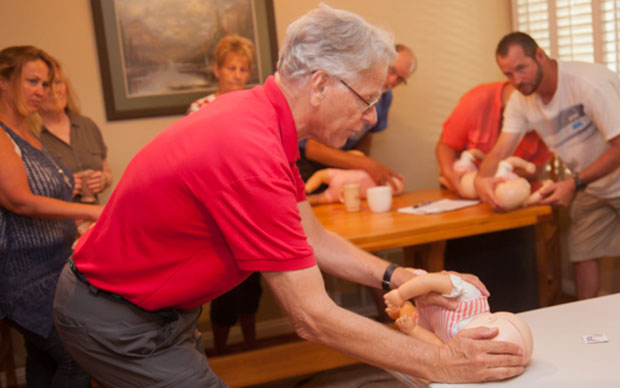
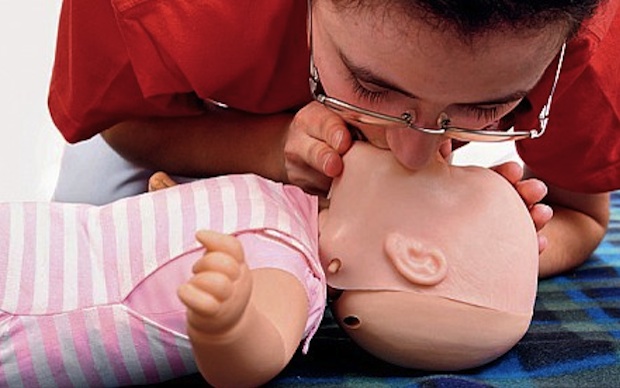
Although we follow the guidelines of the American Heart Association, we are not rigid in our approach.  You will have plenty of “hands on” time with a life-like manikin in simulated emergency situations and, with our guidance, be able to respond in a helpful way.

In addition, we offer many materials that you will take home to reinforce the educational experience and improve your retention of the material presented.

We look forward to having you join us in this exciting journey of discovery and self reliance.  It is a most rewarding feeling to know that if an unexpected event occurs, you will have increased confidence in your ability to make a difference in those lives you value most.

Focus on safety

In our continued quest for Mardi Gras in New Orleansdissiminating information on child safety we continuously publish articles in what we call our Safety Corner. These are halpful and are broken down into categories. Should you wish for an article on a particular subject or have specific safety questions you can email us your suggestion or question.

Resources

Mardi Gras in New OrleansWe are also comitted to helping find helful resources for families and caregivers. Whether you are a veteran caregiver or about to become a new parent you will find nuch information not only in our Safety Corner but also in our Helpful Links page and in our Recommended Reading page.

Coming Soon:

DVD Program


As of this writing, we are in production of a DVD that will serve as an important adjunct to our CPR & First-Aid programs. We hope that final production will be achieved by early summer, at the latest, allowing you to purchase a home program that you can review as often as necessary to update your recollection of these life-saving skills. It will include a review of CPR, rescue breathing, removal of an airway obstruction and some of the simple tips for easy recollection of these activities. Some first-aid skills will also be included.

ON-LINE Registration and purchases

We are looking at the reality of on-line registration of classes as well as the ability to purchase first-aid kits over the internet. We will soon announce the times for these changes and expect it will allow many more parents to take advantage of our services.

In the meantime you can download a Registration form to mail in by clicking here.


Article Spotlight:

Summertime Reminder


A recently published article in the journal Pediatrics reminds us all that heat stress from enclosed vehicles can cause significant temperature rise and put infants & children at risk for hyperthermia.

The effects of high internal automobile temperatures takes young lives every year in the U.S. In 2003, the number of deaths from heat stroke rose in the pediatric population to 42. Previous averages per year have been running at ~ 29 deaths per year.

Temperatures in encolsed autos can range from 134 to 154 degrees, and do so in a hurry. On average, temperatures tend to increase 3.2 degrees per minute and this is barely affected by having the window open a "crack." These results are based on ambient temperatures outside of only 86 dregees. Southern California can easily exceed those numbers, and often do.

This is just a reminder to parents & care providers that small passengers are subject to heat stroke at a greater rate than adults, due to low body mass. It is imperative that we pay close attention to this issue and remind all others that might transport your infants and children in automobiles that passenger safety during the warmer months is everyones job.

more safety articles...


Home | Our Training | About Us | Customer Comments | Class Calendar | In-Home Courses | FAQs
Safety Kits
| Safety Articles | Recommended Reading | Links | Register | Contact Us
Save a Little Life, Inc. - (818) 344-1442
passr@earthlink.net
Site © Copyright 2002-2004 Save a Little Life, inc. . . . .Site design & maintenance by Impakt Media